Mutuals University (MU)
Introduction
Mutuals University (MU) is a Gen Z experiential event concept designed to bridge digital connection and real-life interaction. This campaign concept demonstrates my ability to develop culturally relevant communication strategies, design immersive experiences, and align digital promotion with physical event execution.
1. Project Context
Mutuals University (MU) is developed as a conceptual event campaign aimed at Gen Z audiences in Dar es Salaam, Tanzania. The project explores how social media culture, experiential marketing, and strategic communication could be combined to create a highly shareable, immersive nightlife experience.
The concept is presented through a structured event organiser pitch deck, positioning MU as a scalable, brand-friendly event experience.
2. The Communication Problem
While clubbing culture in Dar es Salaam is growing, many events lack:
- Strong thematic identity
- Meaningful audience engagement beyond music
- Clear differentiation in a saturated nightlife market
At the same time, Gen Z audiences are increasingly seeking experiences, not just parties — especially those that translate online connections into real-life interactions.
3. Strategic Insight
The key insight behind MU was that social media platforms already function like a social campus – people know each other digitally but rarely meet offline/in person.
By reframing a party as a “university experience,” the campaign:
- Creats built-in content moments for social media virality
- Taps into familiar cultural structures (faculties, enrollment, yearbooks)
- Encourages social interaction through shared identity.
4. The Campaign Concept: Mutuals University (MU)
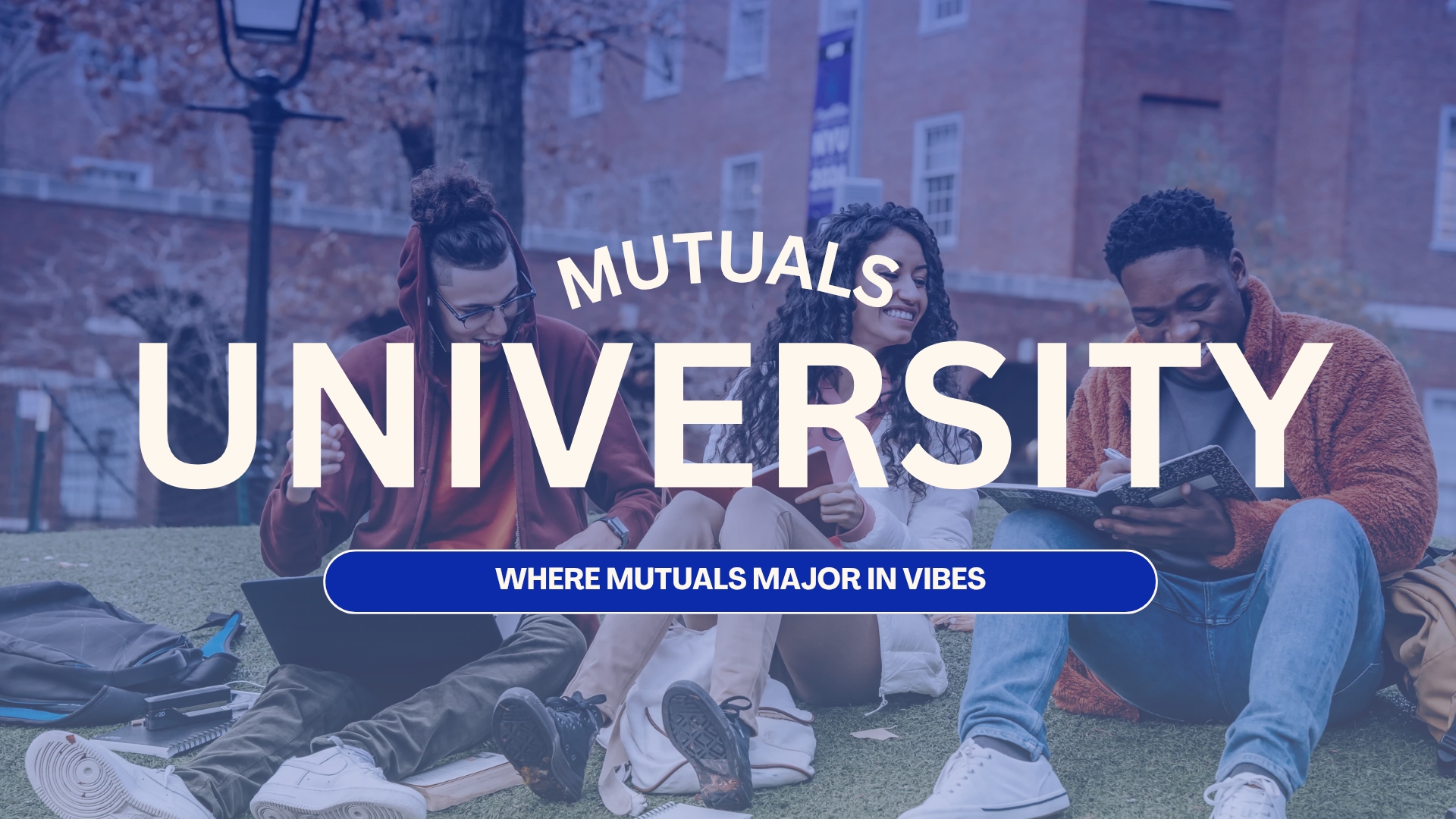
Mutuals University (MU) is a themed “in real life” clubbing and social experience where social media mutuals “enrol” and meet in real life.
Core Concept Elements:
- University-style event layout
- Multiple “faculties” representing different vibes
- Digital-first promotion with “in real life” payoff
- Strong visual and social identity
Tagline:
“Where Mutuals Major in Vibes.”
5. Event Structure & Experience Design
- Venue: Rooftop club or multi-zone lounge
- Capacity: 300–500 attendees
- Timing: Summer / December holidays
- Ticket Tiers:
Undergraduate (General Admission)
Postgraduate (VIP)
Study Group Pass (Group Tickets)
This tiered structure reinforces the university narrative while supporting revenue segmentation.
6. The Faculties (Audience Zoning Strategy)
Each zone is designed as a “faculty” to encourage movement, interaction, and varied experiences:
- Faculty of Vibes: Main dancefloor (Afrobeats, Amapiano, RnB)
- Faculty of Fine Arts: Reels booths & neon photo zones
- Faculty of Business: VIP lounge & bottle service
- Faculty of Communications: Chill conversation & social games
- Faculty of Tech-Fashion: Photo wall, best-dressed station & interviews
This zoning strategy increases dwell time and content creation opportunities.
7. Digital Promotion Strategy
The campaign relies heavily on pre-event digital storytelling to drive hype and attendance.
Key Tactics:
- Instagram & TikTok teaser campaigns
- MU “Acceptance Letters” after ticket purchases
- Pre-event Reels (POV enrollment, mutual meetups)
- Hashtags:
- #IGU2025
- #MutualsMeetIRL
This approach positions the event as exclusive, aspirational, and shareable.
8. Use Social Media to Boost Visibility
- DJs assigned to each faculty/zone
- MC framed as “The Dean of Students”
- Interactive games (Social Bingo, DM or Skip)
- Themed food & drinks (e.g. Freshman Fizz, Dean’s List)
- Clear signage, wristbands, and security (“MU Campus Police”)
These elements ensure both safety and brand consistency.
9. Post-Event Legacy Strategy
The campaign extends beyond the event itself through:
- MU Yearbook (photo album / lookbook)
- Reels recap content
- Tag wall for attendee visibility
This reinforces community and positions MU as a repeatable brand experience.
10. Outcome & Key Learnings
This project strengthens my ability to:
- Translate cultural insights into campaign concepts
- Design immersive, audience-centred experiences
- Integrate digital promotion with physical events
- Develop communication strategies aligned with Gen Z behaviour
It demonstrats how strategic communication can turn an event into a brandable experience rather than a one-off party.
11. Skills Demonstrated
- Campaign concept development
- Experiential communication strategy
- Audience insight & cultural analysis
- Digital promotion planning
- Event communication & storytelling
- Pitch deck development
Conclusion
Mutuals University demonstrates my ability to create culturally relevant, strategy-led campaigns that connect digital audiences with real-world experiences.